February 4, 2026

Established in 1992, Rus Education is a proud reason of many who are currently living their dream and on the way to achieving their goal of becoming a doctor.

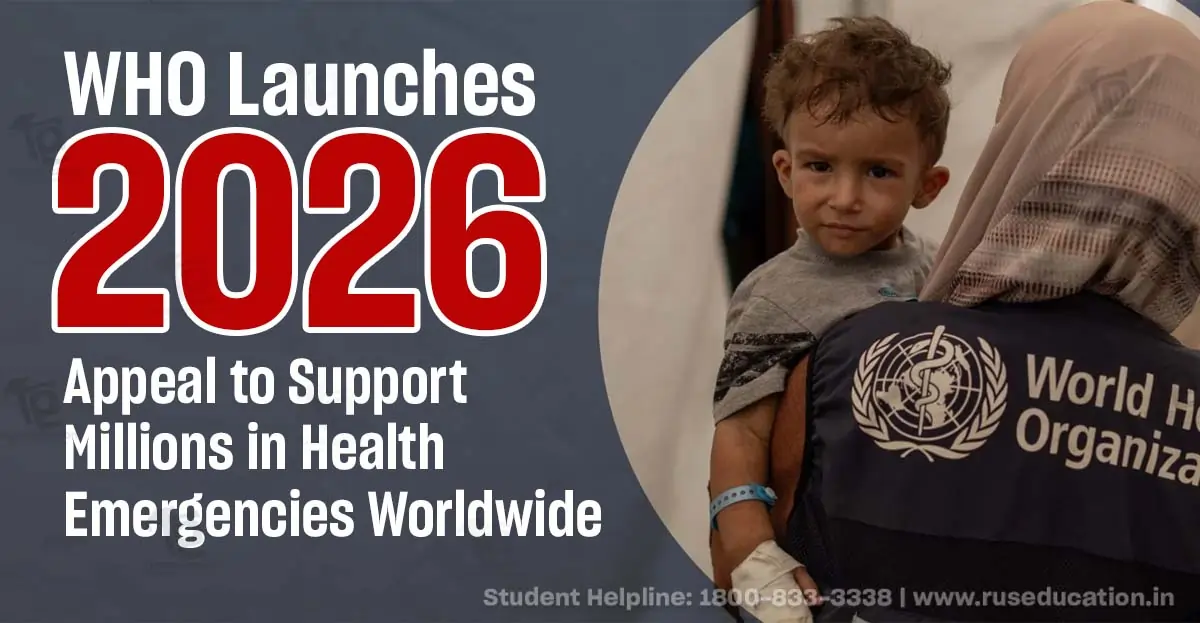
The World Health Organization (WHO) has launched its 2026 Global Health Emergency Appeal. The appeal asks countries and partners to support healthcare services for millions of people affected by war, disease outbreaks, climate disasters, and weak health systems around the world.
WHO says the appeal focuses on improving emergency response, increasing access to basic medical services, and helping health systems that are under pressure. Key areas include control of infectious diseases, care for mothers and children, mental health support, and emergency medical treatment.
The appeal is not a job announcement, and WHO has not said that new jobs will be created. However, in many past health emergencies, healthcare support has been provided through international organizations, national health ministries, non-governmental organizations (NGOs), and other UN agencies.
In those situations, these organizations have worked with doctors, nurses, and public health professionals to deliver medical care. This does not mean the same will happen now, but it shows how emergency health work is usually organized.
For medical students and recent graduates, the WHO appeal highlights the kinds of skills that are important during global health emergencies. These include emergency and disaster medicine, public health, community healthcare, and disease prevention.
Medical schools may use this information when planning or updating their training programs so students are better prepared for future health challenges. This does not mean students will automatically find opportunities through the appeal.
WHO’s 2026 appeal shows the importance of strong healthcare systems and trained medical professionals during global emergencies. While it does not promise employment or opportunities, it helps explain how international health responses usually work and what skills are often needed.